


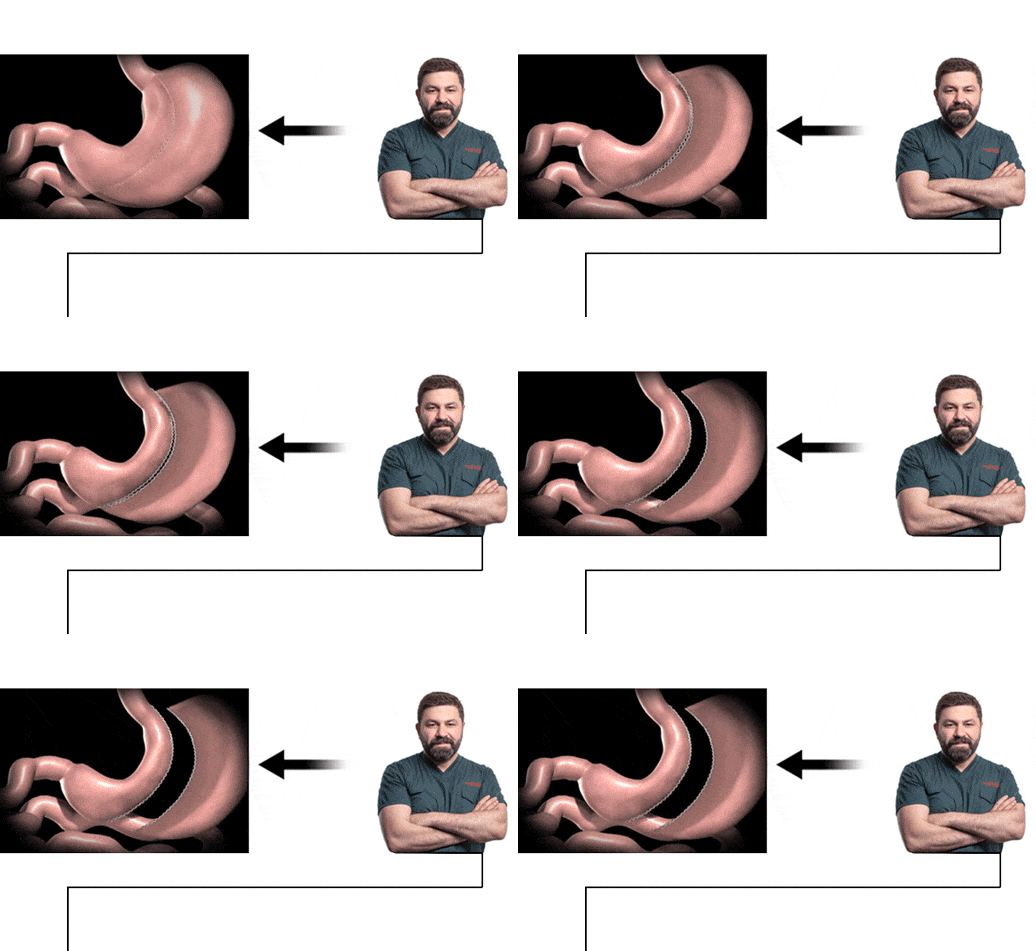
Today, one of the most common treatment methods applied to obese patients is gastric sleeve surgery, also known as sleeve gastrectomy. It is Sleeve Gastrectomy. Although this procedure is commonly referred to as stomach reduction surgery, gastric sleeve surgery Gastric sleeve surgery is just one of the stomach reduction methods. Let's now move on to the answers to questions such as what is gastric sleeve surgery, how is it performed, and will there be scars after gastric sleeve surgery?.
What is Gastric Sleeve Surgery?
What is gastric sleeve surgery? This question is asked quite frequently. Gastric sleeve surgery adından da anlaşılacağı üzere mide, normalde kese biçimindeyken ince ve uzun bir tüpe dönüştürülür. Laparoskopik (kapalı ameliyat) olarak gerçekleştirilen işlemde midenin %80’lik kısmı kesilerek dışarı çıkarılmaktadır. Kalan kısım yemek borusu ve bağırsaklarla devam eden bir sisteme dönüşür. Midenin tüp haline gelmesiyle hastanın gıda alımı azalır. Midenin hacminin küçülmesinin yanı sıra mideden salgılanan açlık hormonu da düşük seviyeye iner. Böylece beyinde oluşan yeme isteği azalır. Kısaca gastric reduction We can say that.
Who is a candidate for gastric sleeve surgery?
Gastric sleeve surgery is performed on morbidly obese patients, meaning those with severe obesity. Morbidly obese patients have a body mass index (BMI) of 40 or higher. However, patients with a BMI between 35-40 who also have obesity-related conditions such as type 2 diabetes, sleep apnea, and hypertension may also be considered for surgery.
How is Gastric Sleeve Surgery Performed?
The size of the stomach is a crucial factor in determining whether weight gain becomes persistent. While the stomach volume in normal individuals is around 100 to 200 milliliters, in obese patients this number can reach up to 1000 milliliters. As a result of this increased volume, food consumption can become unlimited. Due to the significantly larger stomach volume and the constant secretion of appetite hormones, obese patients do not feel full. Because of this lack of satiety, the body takes in far more calories than necessary. To eliminate this problem, the stomach needs to be reduced in size, i.e., transformed into a sleeve gastrectomy. Sleeve gastrectomy surgery, performed on obese patients, reduces the stomach volume to 50 milliliters. The portion that secretes appetite hormones is also removed. This ensures healthy and sustainable weight loss in the long term. How is gastric sleeve surgery performed? We have prepared the answer to this question for you in bullet points.
- No artificial materials are used in the surgery. That is, no medical equipment is placed in the stomach during the operation. It is called sleeve gastrectomy primarily because the stomach appears tube-shaped after the surgical procedure.
- During the operation, a connection is made between the stomach and the intestines with a thickness similar to that of the esophagus. The area of the stomach to which the esophagus is connected is cut outside the point of esophageal connection. Thus, the esophageal and intestinal connection takes the form of a straight tube.
- In obese patients, the stomach capacity, which ranges from 1,000 milliliters when empty to 2,000 milliliters when full, is reduced to 50 milliliters when empty and 200 milliliters when full after surgery.
- Before the procedure begins, patients are put to sleep with anesthesia. This ensures they feel no pain or discomfort.
- The operation is performed using a minimally invasive technique. This means that large incisions are not made in the abdominal area. Instead, small holes are made, just large enough for surgical imaging and intervention instruments to enter. There are six such small holes. Special devices are used to fix the diameter of the holes and ensure easy movement of the instruments.
- Carbon dioxide gas is introduced into the abdomen to separate the internal organs. This makes the surgical area more accessible.
- The hormone-secreting portion of the stomach is removed from the expanded area. This leaves a sleeve stomach the same size as the diameter of the esophagus. The remaining space is stapled together with a special staple gun.
- As with all gastric reduction surgeries, the risk of leakage must be checked during this procedure. After the stapling is complete, the area is checked for leaks. If there are no leaks, the operation is terminated.
Will there be scars after gastric sleeve surgery?
The primary reason for undergoing sleeve gastrectomy is not aesthetic concerns. However, the minimally invasive technique used in the surgery does address aesthetic concerns. Thanks to this technique, the incisions made in the abdominal area are as small as possible. Special sutures are used to close these small incisions. Therefore, the two main factors causing scarring are minimized.
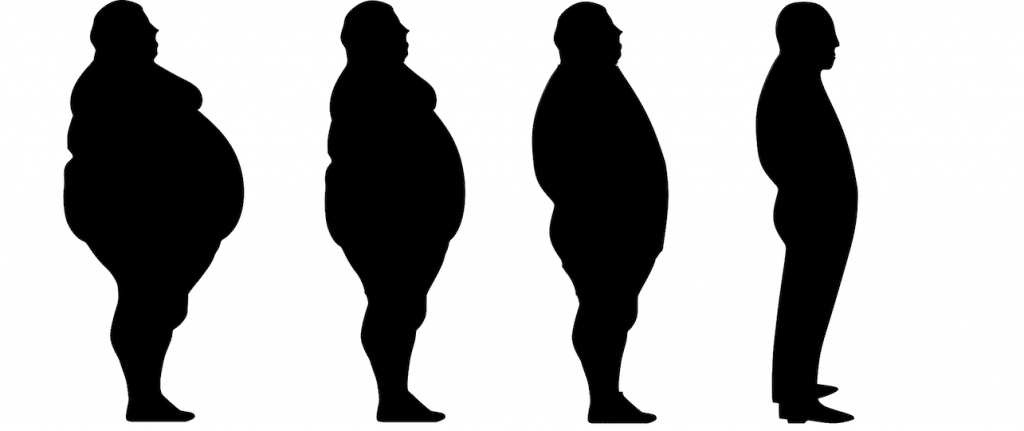
Patients undergoing sleeve gastrectomy typically have a body mass index between 35 and 45 at the time of surgery. It is possible to lose up to 80% of this weight within two years after the operation. In some specific patients, reaching the ideal weight after two years has been observed. After reaching the ideal weight, the patient may seek cosmetic surgery to eliminate sagging skin. During the tightening and removal of this sagging skin, the surgical scars, which begin to fade from the second month after the operation, are also eliminated.
Many patients do not directly seek cosmetic surgery for these scars because they become very faint. They cover the scars with various makeup tricks and other methods; and in the long term, they completely disappear. In short, scars remain after gastric sleeve surgery, but these scars do not pose any obstacle to daily life. From the second month onwards, they are not even visible unless carefully examined. For this reason, it would be appropriate for patients who want to have the surgery not to worry about the scar problem.
How should you eat after gastric sleeve surgery?
Following surgery, the patient can only consume liquid foods for the first two weeks. After that, when transitioning to pureed solid foods, both liquid and solid foods should be consumed together. Carbonated drinks are forbidden for life. The diet plan should consist of natural and healthy foods rich in minerals, vitamins, and protein. If the patient needs it, they may need to take vitamin or other supplements as part of the diet plan created under the supervision of a dietitian.
What tests are performed before gastric sleeve surgery?
- Blood and biochemistry tests
- Hormone tests
- Complete blood count
- Hepatitis tests
- Full abdominal ultrasound
- Gastric endoscopy
- Chest X-ray
- Electrocardiogram (ECG)
- Lung breathing test
- Electrocardiography
- Detecting insulin resistance.
In addition to these tests, the patient undergoes examinations by physicians from the anesthesiology, internal medicine, cardiology, pulmonary, and endocrinology departments to check for any pre-operative conditions that might prevent surgery or any underlying medical conditions causing the illness. These tests and examinations significantly reduce risks such as bleeding, clotting, leakage, and anesthesia reactions that may occur after surgery.
Recovery Process After Gastric Sleeve Surgery
Patients discharged approximately four days after surgery have certain guidelines that affect their recovery process. Patients following a special dietary program must remain under the supervision of a dietitian. This program, which involves a gradual transition from liquid to solid foods, allows patients to return to a normal diet within an average of two months. It is crucial to remember that alcohol and smoking are prohibited, carbonated drinks are forbidden, and foods not permitted by the dietitian should be avoided. If the patient requires vitamin and mineral supplements, they can receive them as recommended by their physician. Furthermore, regular health checkups and exercise will help improve the patient's quality of life.
Complications that may occur after sleeve gastrectomy surgery.
As with many surgical procedures, there are possible complications after surgery. The most common complications include bleeding, partial dehiscence of the suture line and the resulting leakage of food and gastric fluid into the abdominal cavity, and embolism, or blood clots.