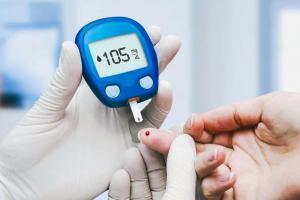


Erectile dysfunction is one of the most common health problems affecting men's sexual lives. The inability to achieve or maintain an erection long enough to sustain intercourse can occur occasionally in any man, but if it becomes persistent, it may indicate an underlying health problem. Today, thanks to advanced diagnostic methods and modern treatment options, a large percentage of erectile dysfunction cases can be successfully treated.
What are the symptoms?
The most obvious symptom of erectile dysfunction is the inability to achieve an erection sufficient for sexual intercourse, or the erection disappearing quickly. However, the following symptoms may also occur:
- Insufficient erection
- Erection not maintaining during intercourse
- Decreased sexual desire
- Sexual performance anxiety
- Avoiding sexual intercourse
- Loss of self-confidence
- Communication problems in the couple's relationship
If symptoms persist for more than three months, it is recommended to consult a urologist.
Factors That Can Cause Erectile Dysfunction
Erectile dysfunction may not be caused by a single factor. Often, both physical and psychological factors play a role.
The most common causes are:
- Diabetes
- Hypertension
- Cardiovascular diseases
- High cholesterol
- Obesity
- Smoking
- Excessive alcohol consumption
- Hormonal disorders
- Low testosterone
- Side effects of some medications
- Depression
- Anxiety
- Intense stress
- Sleep disorders
Diseases that particularly affect vascular health can reduce blood flow to the penis, leading to erectile dysfunction.
Diagnostic Process
To properly develop a treatment plan, it is first necessary to identify the source of the problem.
The following assessments may be applied during the diagnostic process:
- Detailed patient history
- Physical examination
- Blood tests
- Hormone assessment
- Blood sugar and cholesterol measurement
- Penile Doppler ultrasonography when necessary.
- Nocturnal erection tests
- Psychological evaluation
These examinations can help determine the physical, hormonal, or psychological causes of erectile dysfunction.
Treatment Options
Treatment is planned according to the underlying cause. Today, there are many effective methods available.
The main treatment options are:
- Lifestyle changes
- Oral drug treatments
- Hormone therapy (in suitable patients)
- Vacuum devices
- Penile injection treatments
- Shockwave therapy (ESWT) is suitable for patients
- Psychological support and sexual therapy
- Penile prosthesis surgery
Each patient's treatment plan should be tailored individually to their age, overall health, and underlying causes.
The Importance of Lifestyle Changes
Healthy lifestyle habits can both improve the success of treatment and contribute to maintaining erection quality.
Among the recommendations are:
- Quitting smoking
- Limiting alcohol consumption
- Exercise regularly
- Maintaining ideal weight
- Eating healthy
- Keeping diabetes and blood pressure under control
- Sleep regularly
- Paying attention to managing stress.
These changes have a positive impact not only on sexual health but also on overall cardiovascular health.
When should you consult a doctor?
It is recommended to consult a urologist without delay in the following situations:
- If erectile dysfunction lasts longer than three months
- If the problem is getting worse
- If it negatively affects sexual life or relationship
- If you have additional health problems such as diabetes, heart disease, or high blood pressure
- If accompanied by a significant decrease in sexual desire
Early assessment is crucial for both identifying underlying diseases and improving treatment success.
Conclusion
Erectile dysfunction is a health problem that many men may experience at different stages of their lives, and it is often treatable. If the problem persists for a long time, it is important not to delay seeking medical attention due to embarrassment or shyness. Early diagnosis, accurate assessment, and a personalized treatment plan can significantly improve both sexual life and quality of life.