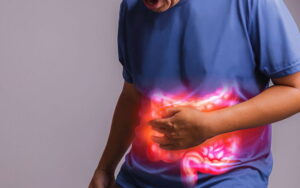


The liver is one of the body's most important organs, performing vital functions such as removing toxins, processing nutrients, producing proteins, and storing energy. Over time, damage to liver tissue causes healthy cells to be replaced by tough connective tissue. This can make it difficult for the organ to perform its normal functions and may lead to serious health problems over time.
Liver cirrhosis may not cause noticeable symptoms in the early stages. Therefore, it is crucial for individuals with risk factors to not neglect regular health checkups.
Symptoms of Liver Cirrhosis
In the early stages of the disease, there may be no symptoms. As liver damage progresses, the following symptoms may appear:
- Constant weakness and fatigue
- Anorexia
- Unexplained weight loss
- Nausea
- Swelling in the abdominal area
- Swelling in the legs
- Yellowing of the skin and eyes
- Easy bruising of the skin
- Itching
- Redness in the palms of the hands
- Prominent vascularization in the abdomen
- Difficulty concentrating and changes in consciousness.
If you experience one or more of these symptoms, you should consult a gastroenterologist immediately.
Causes that can lead to liver cirrhosis
Several conditions that cause long-term damage to liver tissue can lead to the development of cirrhosis.
The most common causes are:
- Chronic hepatitis B infection
- Chronic hepatitis C infection
- Long-term alcohol consumption
- Fatty liver disease (MASLD)
- Autoimmune liver diseases
- Diseases affecting the bile ducts
- Some hereditary metabolic diseases
- Long-term exposure to toxic substances or certain drugs
Early control of risk factors can slow the progression of the disease.
Diagnostic Process
The diagnosis of liver cirrhosis involves evaluating the patient's complaints, physical examination findings, and various diagnostic tests together.
Diagnostic methods include:
- Blood tests
- Liver function tests
- Viral hepatitis tests
- Abdominal ultrasonography
- Elastography (FibroScan)
- Computed tomography (CT)
- Magnetic resonance (MR)
- Liver biopsy if necessary.
These assessments help determine the extent of liver damage and create an appropriate treatment plan.
Treatment Process
The primary goal of treatment for liver cirrhosis is to halt or slow disease progression, prevent complications, and preserve liver function as much as possible.
The treatment plan may vary depending on the cause of the illness.
The main treatment approaches are as follows:
- Treating the underlying cause.
- Controlling hepatitis infections
- Complete cessation of alcohol consumption.
- Liver-protective lifestyle changes
- Drug treatments for complications
- Regular laboratory and imaging checks
In advanced cases, liver transplantation may be the most effective treatment option.
The Importance of Nutrition
Proper nutrition is an important part of treatment for liver cirrhosis.
General recommendations are as follows:
- Consuming a balanced and sufficient amount of protein.
- Avoiding excessive salt consumption.
- quitting alcohol completely
- Drinking enough fluids
- Consume fresh vegetables and fruits in moderation.
- Limit processed foods.
- Taking vitamin and mineral supplements as recommended by your doctor.
The nutritional plan must be tailored to the patient's clinical condition.
Potential Complications
Untreated or advanced cirrhosis can cause serious health problems.
These include:
- Portal hypertension
- Esophageal varices
- Varicose vein bleeding
- Fluid accumulation in the abdomen (ascites)
- Liver-related impaired consciousness (hepatic encephalopathy)
- Impairment of kidney function
- Increased risk of developing liver cancer.
Therefore, regular follow-up is of great importance.
Tips for Protecting Liver Health
Healthy lifestyle habits play an important role in preventing liver diseases.
- Avoid alcohol consumption.
- Maintain a healthy weight.
- Exercise regularly.
- Consult your doctor about the Hepatitis B vaccine.
- Avoid unnecessary medication.
- Don't neglect your regular health checkups.
- Keep your conditions like diabetes and high cholesterol under control.
Conclusion
Liver cirrhosis is a chronic liver disease that can lead to serious complications if not diagnosed in time. Regular follow-up, treatment of the underlying cause, and adoption of healthy lifestyle habits can slow disease progression and preserve quality of life. Regular gastroenterological checkups are crucial for individuals with risk factors to prevent potential complications.