


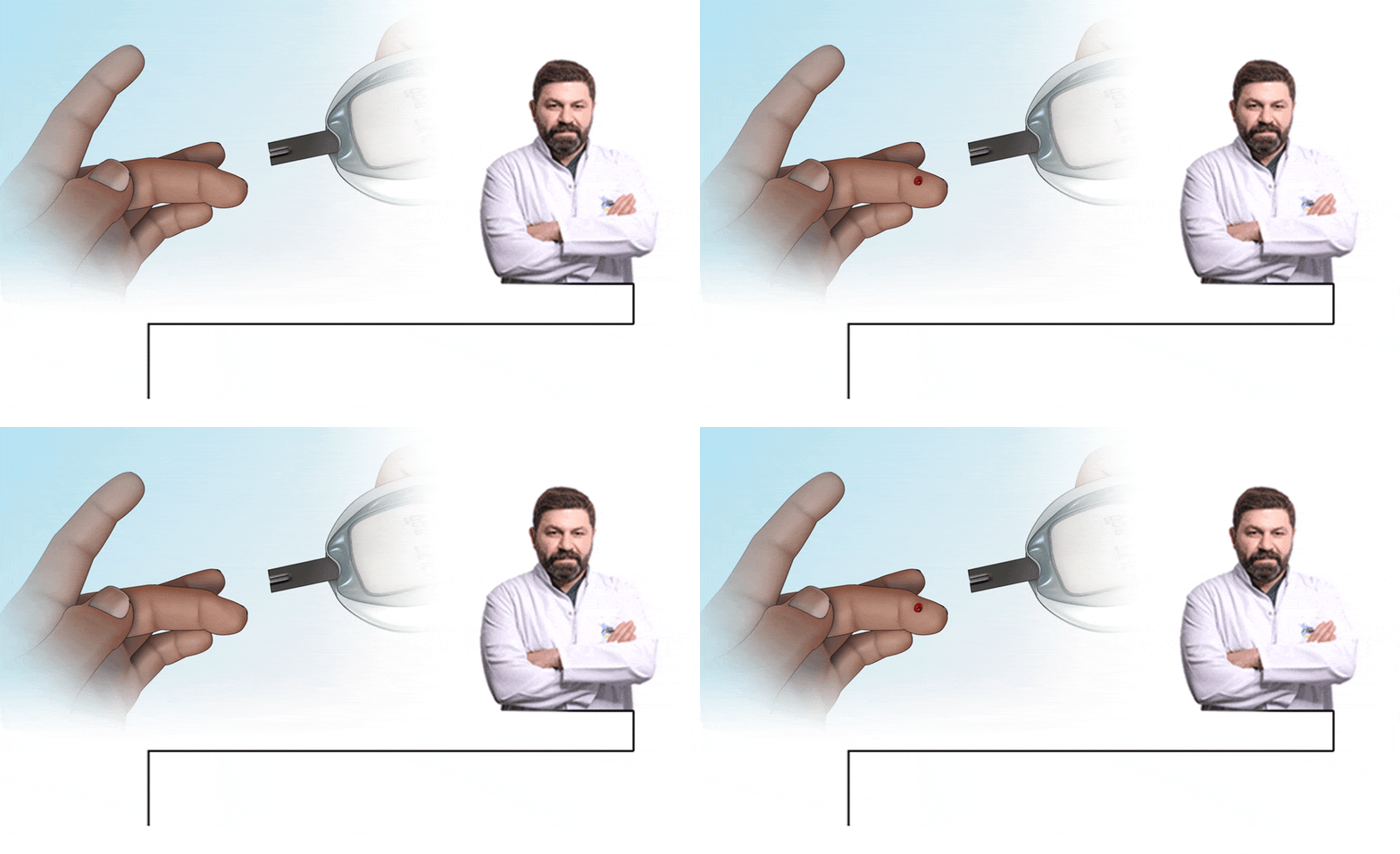
We've been hearing his name frequently lately. diabetes well diabetes Diabetes is a health problem primarily caused by unhealthy eating and a sedentary lifestyle. It is insulin-related. Insufficient insulin production or the development of existing insulin resistance leads to diabetes. Following this information, let's move on to what diabetes is, its causes, symptoms, and treatment.
What is diabetes?
In people with diabetes, blood glucose levels rise above normal. Glucose is a simple sugar produced when proteins, fats, and carbohydrates are broken down. It is a vital nutrient for all organs in the body. Thanks to the hormone insulin, cells can take in the glucose they need to use as fuel or store it as glycogen. If insulin is not secreted by the pancreas, glucose levels rise in the blood and are detected in the urine, even though they should not normally be present.
Diabetes is a disease with different types. In type 1 diabetes, insulin production is low or nonexistent. In type 2 diabetes, there is insulin resistance; the existing insulin cannot be used. In both cases, blood sugar levels rise.
Pre-diabetes, on the other hand symptoms of diabetes Although it may be similar, it is not the type that would diagnose diabetes. Diabetes varies depending on genetic factors, pregnancy (gestational), and a number of other reasons.
What are the causes of diabetes?
Causes of diabetes There are many environmental and genetic causes. Although the causes vary depending on the type of diabetes, they are generally similar. Type 1 diabetes differs from other types in that it is mostly due to genetic factors. Also, the inability of the pancreas to secrete insulin hormone due to damage is a cause of type 1 diabetes. Type 2 diabetes, on the other hand, is caused by obesity and a family history of the condition. diabetes This can be caused by factors such as a sedentary lifestyle, stress, pregnancy, and advancing age.

What are the symptoms of diabetes?
The clearest signs and devastating consequences of diabetes. Type 1 diabetes This is seen in patients. The fact that these patients have been dealing with diabetes since a young age allows for the disease's development to be delayed. Naturally, it is not possible to talk about early symptoms of the disease. When the distribution of diabetes among patients with diabetes is examined, it will be seen that the majority of patients have Type 2 diabetes. Naturally, the symptoms in Type 2 diabetes patients, who comprise ninety percent of all patients, are also considered symptoms of diabetes. In the process leading up to diabetes, insulin resistance develops first, followed by early-stage diabetes. The symptoms differ in the insulin resistance stage, early-stage diabetes, and late-stage diabetes. The symptoms of diabetes can be listed as follows:
- The excretory system is the safety belt of the circulatory system. Any excess occurring in the circulatory system is eliminated by the excretory system. When blood sugar levels rise far above normal, the kidneys begin to work harder than they should. The goal is to transfer the excess sugar from the blood into the urine and excrete it through the urinary tract. In people with diabetes, the first symptom is frequent urination, disproportionate to fluid intake. Furthermore, as a byproduct of this effect, the body's need for water constantly increases. A persistent feeling of thirst that persists despite drinking water is as clear a symptom of diabetes as frequent urination.
- In diabetic patients, body weight can become unstable. This is a common process, especially in patients with moderate diabetes. The individual is constantly losing calories, constantly feeling hungry, constantly consuming food, and constantly disrupting blood sugar levels. As a result of this vicious cycle, sudden weight loss or sudden weight gain is possible. A constant feeling of hunger can also be a symptom of diabetes.
- Feeling tired even after waking up, persistent weakness and fatigue, and persistent nausea without any extreme cause are among the main symptoms of diabetes.
- The greatest damage from diabetes affects vision. Diabetes can damage the capillaries in the eyes, leading to blurred vision. Additionally, because the body constantly excretes water through urine in diabetic patients, the fluid in the eye lenses can also be drawn away. Diabetes can also cause blurred vision as a result of dry eyes.
- In patients with type 1 diabetes and advanced type 2 diabetes, the burning of fat cells is a common occurrence. Because the sugar in the blood cannot be used, the cells begin to burn fat tissue to maintain life. This burning of fat tissue makes the blood more acidic. This increased blood acidity can cause the symptoms of advanced diabetes to develop suddenly.
- In diabetes, as tissue damage reaches moderate to severe levels, the immune system is also suppressed. As a result, the frequency of infectious diseases may increase.
- In diabetes, wounds that heal slowly or not at all can form in areas visible to the naked eye.
- Diabetes puts a significant strain on the kidneys. The urinary tract is also under pressure. If left untreated for a long time, diabetes can lead to urinary tract infections.
- In women with diabetes, menstrual irregularities can occur due to irregular blood sugar levels.
Diabetes, that is symptoms of diabetes These are the general symptoms. Because it takes a very long time for symptoms to appear and become noticeable in patients with type 2 diabetes, many more symptoms may be added to those listed, and many may not be seen at all.
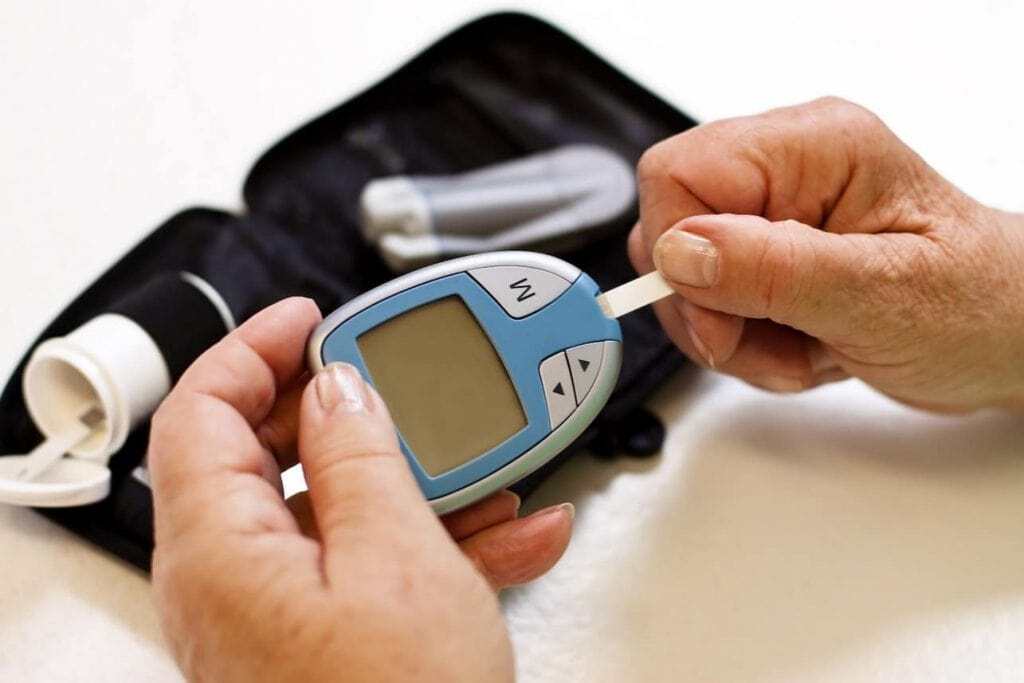
What health problems does diabetes cause?
Diabetes (sugar disease) can develop over decades in some people, but it can also cause serious problems within a few years. Early stages of diabetes are quite difficult to detect in terms of symptoms and problems. Excess sugar circulating in the blood damages capillaries. As a result of this damage, all kinds of diseases can occur. The health problems caused by diabetes include:
- Vision largely depends on nerve cells in the eye. These cells are nourished by capillaries. Diabetes damages these capillaries, which can lead to vision loss.
- In diabetes, the kidneys use specific cells to clean the blood. These cells are nourished by capillaries. Kidney diseases can occur due to damage in this area.
- Neurological disorders are possible in patients with advanced diabetes. It is particularly common to encounter sudden illnesses related to peripheral nerves.
- Diabetes can cause sudden hardening of the blood vessels in the heart, leading to cardiovascular diseases.
- In diabetes, the blood vessels supplying the brain can suddenly harden, leading to sudden loss of consciousness.
- Blockages in the feet and toes, the furthest points in the body from the heart. Tissue loss resulting from these blockages is among the symptoms of diabetes.
As a result of atherosclerosis caused by diabetes, other metabolic problems may arise. High blood pressure, cholesterol, and stress are examples of these problems. Furthermore, atherosclerosis is one of the main factors contributing to obesity.

What are the treatment methods for diabetes?
Diabetes treatment Treatment varies depending on the type of diabetes. Type 1 diabetes involves diet and insulin therapy, while type 2 diabetes may include surgical treatment in addition to conventional treatment.
Diabetes treatment Type 1 diabetes patients should follow a special nutritional program with the support of a dietitian. The patient's insulin dose is determined by the doctor and administered regularly. A daily nutritional routine is planned by adjusting the carbohydrate content of foods and the insulin dose.
Type 2 diabetes patients also use a number of medications in addition to following a special dietary plan for the treatment of diabetes. These medications are antidiabetic supplements aimed at increasing the release of insulin that is present in the body but not being used, and increasing insulin sensitivity.
If type 2 diabetes cannot be controlled despite diet and medication and is causing damage to the body, it can be treated with surgical intervention if necessary, taking into account the patient's health condition. In laparoscopic (minimally invasive) type 2 diabetes surgery, insulin secretion from the pancreas is increased and the quality of the insulin released is improved. Simultaneously, insulin sensitivity in the tissues increases, and the patient's craving for carbohydrate-rich foods decreases. For all these reasons, the patient's sugar metabolism returns to normal.