


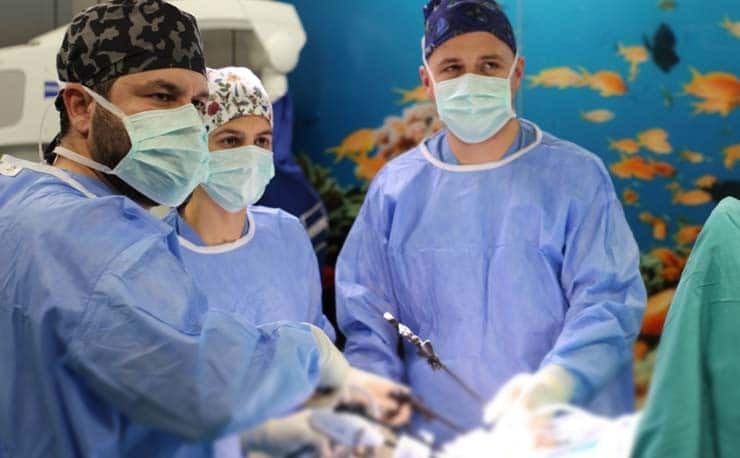
Obesity surgery It encompasses surgical and non-surgical methods used by individuals struggling with weight problems who have been unable to lose weight through normal means. Obesity surgery unless the patient is certain that they cannot lose weight through diet, exercise, and medical treatment obesity treatment Surgery is not recommended in the initial stage. However, if these conditions are confirmed... obesity surgery This is necessary because obesity can lead to dangerous consequences when it progresses.
What are the methods of obesity surgery?
Obesity treatment There are various surgical and non-surgical methods available. The most suitable procedure is chosen according to the patient's health condition. The underlying causes of obesity are investigated, and treatment is developed accordingly. For example, if an eating disorder stemming from psychological reasons is identified, the patient will first need treatment from a psychologist or psychiatrist.
Obesity surgery The methods involved generally include procedures that reduce stomach volume, decrease the absorption of ingested food, or both. Methods used in obesity surgery include:
- Gastric Bypass Surgery
- Gastric Sleeve Surgery
- SADI-S Surgery
- Transit bipartition
Gastric Bypass Surgery: The stomach is divided into two parts; one part continues to produce enzymes while the other is connected to the beginning of the small intestine. This reduction in food intake, along with delayed exposure to bile and pancreatic fluids, leads to a decrease in calorie intake.
Gastric Sleeve Surgery: Mide ince uzun bir tüpe çevrilirken %80’e yakın kısmı vücuttan dışarı çıkarılıyor. Bu sayede mide hacmi azalarak alınan gıda miktarı da düşüyor.
Non-surgical treatment methods for obesity:
. Stomach Botox
.Gastric Balloon
Stomach Botox: A substance called botulinum toxin is injected endoscopically into the stomach. This reduces the frequency of stomach muscle contractions, delaying the emptying time of the stomach. Consequently, the resulting loss of appetite leads to weight loss.
Gastric Balloon: A liquid-filled balloon is placed in the stomach endoscopically to reduce stomach volume. The implanted material can remain in the stomach for 6-12 months.
Who is a suitable candidate for obesity surgery?
Individuals who have previously tried weight loss methods such as diet, exercise, and medication but have not achieved results may consider obesity surgery. If the patient does not have an allergy to anesthesia or other conditions that could cause a reaction, and if their evaluation is positive from internal medicine, cardiology, and pulmonology departments, they may benefit from obesity surgery. However, patients must have a body mass index (BMI) of 40 or higher. Patients with a BMI between 35 and 40 who have additional obesity-related conditions such as diabetes, sleep apnea, hypertension, and heart disease can also benefit from obesity surgery.
What are obesity surgery procedures like?
Obesity surgery is performed laparoscopically, meaning it is a minimally invasive procedure performed under general anesthesia. The patient's recovery time varies depending on the type of operation.
Obesity Pre-Surgery
Before the procedure, patients undergo a preliminary examination by departments such as anesthesiology, cardiology, and endocrinology. Following a comprehensive blood test, the function of organs such as the kidneys and liver is checked for any problems. The condition of the stomach, esophagus, and intestines is also examined. After these assessments, if the patient has no contraindications to surgery, they are asked to discontinue blood thinners and aspirin-type medications at least one week prior to the operation. A nutritional program deemed appropriate by the physician is then implemented during the 24-48 hours before the procedure.
After Obesity Surgery
To achieve a healthy and high-quality life due to weight problems, patients who undergo bariatric surgery must be careful after the operation. They should adhere to the doctor's recommendations and the nutritional plan deemed appropriate by the dietitian. They should absolutely avoid strenuous physical activities and only begin the recommended types of exercise after the time permitted by their doctor. Furthermore, it is crucial to avoid all harmful habits such as smoking and alcohol.